
A mortgage loan — commonly known as a Loan Against Property (LAP) — involves pledging an existing immovable property as collateral to raise funds for business, personal, or other needs. Because it is a secured facility, the legal consequences of default are more severe and faster-moving than for unsecured loans, and borrowers who fall behind can quickly find themselves caught in a debt trap with mounting interest, fees, and recovery pressure. This guide explains the legal framework governing mortgage loans in India — from creation of the mortgage to enforcement, borrower rights, and where to get legal help for loan and debt settlement when repayment becomes difficult.
What Legally Constitutes a Mortgage Loan?
A mortgage, under Section 58 of the Transfer of Property Act, 1882, is the transfer of an interest in specific immovable property to secure the repayment of a loan. Common forms used by lenders include:
● Equitable mortgage — created by depositing title deeds with the lender, without registration; common for LAP.
● Registered mortgage (simple or English mortgage) — requires registration and stamp duty, often used for higher-value or commercial properties.
The mortgage loan agreement runs alongside the mortgage deed, and both documents together create the lender’s enforceable security interest.
Governing Legal Framework
1. Transfer of Property Act, 1882 — defines and governs the creation, rights, and enforcement of mortgages.
2. Indian Contract Act, 1872 — governs the underlying loan contract.
3. SARFAESI Act, 2002 — the primary enforcement mechanism for banks and NBFCs once the loan turns into an NPA.
4. Recovery of Debts and Bankruptcy Act, 1993 — governs proceedings before the Debts Recovery Tribunal (DRT).
5. Registration Act, 1908 — governs registration and stamp duty requirements for registered mortgages.
6. RBI guidelines on LAP and the Fair Practices Code — govern loan-to-value ratios, disclosure, and recovery conduct, including limits on how aggressively recovery agents can pursue defaulting borrowers.
Key Clauses to Understand Before Signing
● Loan-to-Value (LTV) ratio clause — determines how much can be borrowed against the property’s assessed value.
● Cross-collateralisation clause — some lenders link the mortgaged property as security for multiple facilities.
● Acceleration clause — entitles the lender to demand the full outstanding amount on a single default.
● Insurance covenant — often requires the borrower to keep the property adequately insured throughout the tenure.
● Sale/transfer restriction — most mortgage agreements bar the borrower from selling or further encumbering the property without the lender’s consent.
It’s worth reading these clauses closely at the outset. Many borrowers only discover the true cost of a mortgage loan once banks and NBFCs’ higher interest rate practices — steep penal interest, processing charges, and foreclosure fees buried in the fine print — start compounding after a missed EMI or two, pushing an otherwise manageable loan into a genuine debt trap.
Legal Process on Default
1. NPA Classification after 90 days of default, as per RBI norms.
2. Section 13(2) Demand Notice under SARFAESI, giving the borrower 60 days to repay.
3. Borrower’s Objections {Section 13(3-A)} must be considered and responded to by the lender.
4. Possession under Section 13(4) — symbolic or physical possession of the mortgaged property, followed by valuation and public auction.
5. Appeal to DRT (Section 17) — the borrower’s primary legal remedy against SARFAESI action, to be filed within 45 days of the measure being taken.
6. Sale Certificate and Transfer — once the auction is confirmed and full payment is received, the lender issues a sale certificate to the auction purchaser.
Where the loan does not meet SARFAESI’s applicability criteria (for instance, certain unregistered or informal lenders), recovery must proceed through a civil suit for recovery and, if necessary, execution proceedings — a considerably slower route.
When Recovery Turns Into Harassment
Even within this legal framework, borrowers frequently report loan recovery conduct that crosses the line — repeated late-night calls, visits to the workplace, threats, or attempts at intimidation. This kind of recovery harassment is not permitted under RBI’s Fair Practices Code, regardless of how far behind a borrower has fallen. If you are facing this, documenting each instance and seeking timely legal advice is the first step toward stopping it.
Borrower Rights and Protections
● Right to a copy of the mortgage deed and loan agreement.
● Right to receive the statutory 60-day notice before any enforcement action.
● Right to a fair and transparent valuation of the property before sale.
● Right to redeem the mortgage by clearing dues before the auction sale is finalised.
● Right to receive any surplus sale proceeds after the lender’s dues, interest, and costs are settled.
● Protection against coercive recovery tactics under RBI’s Fair Practices Code.
What to Do If You’re Struggling to Repay
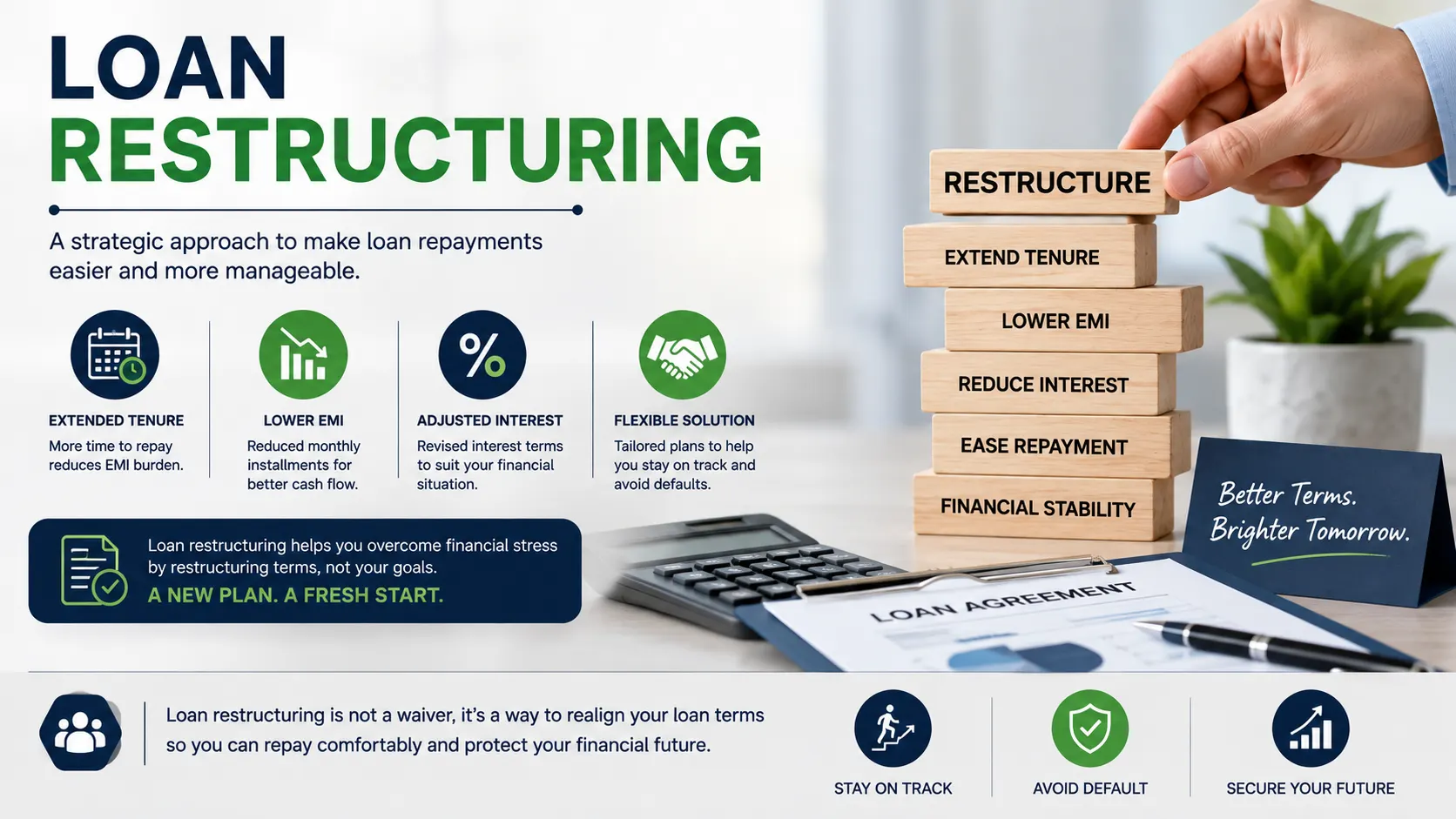
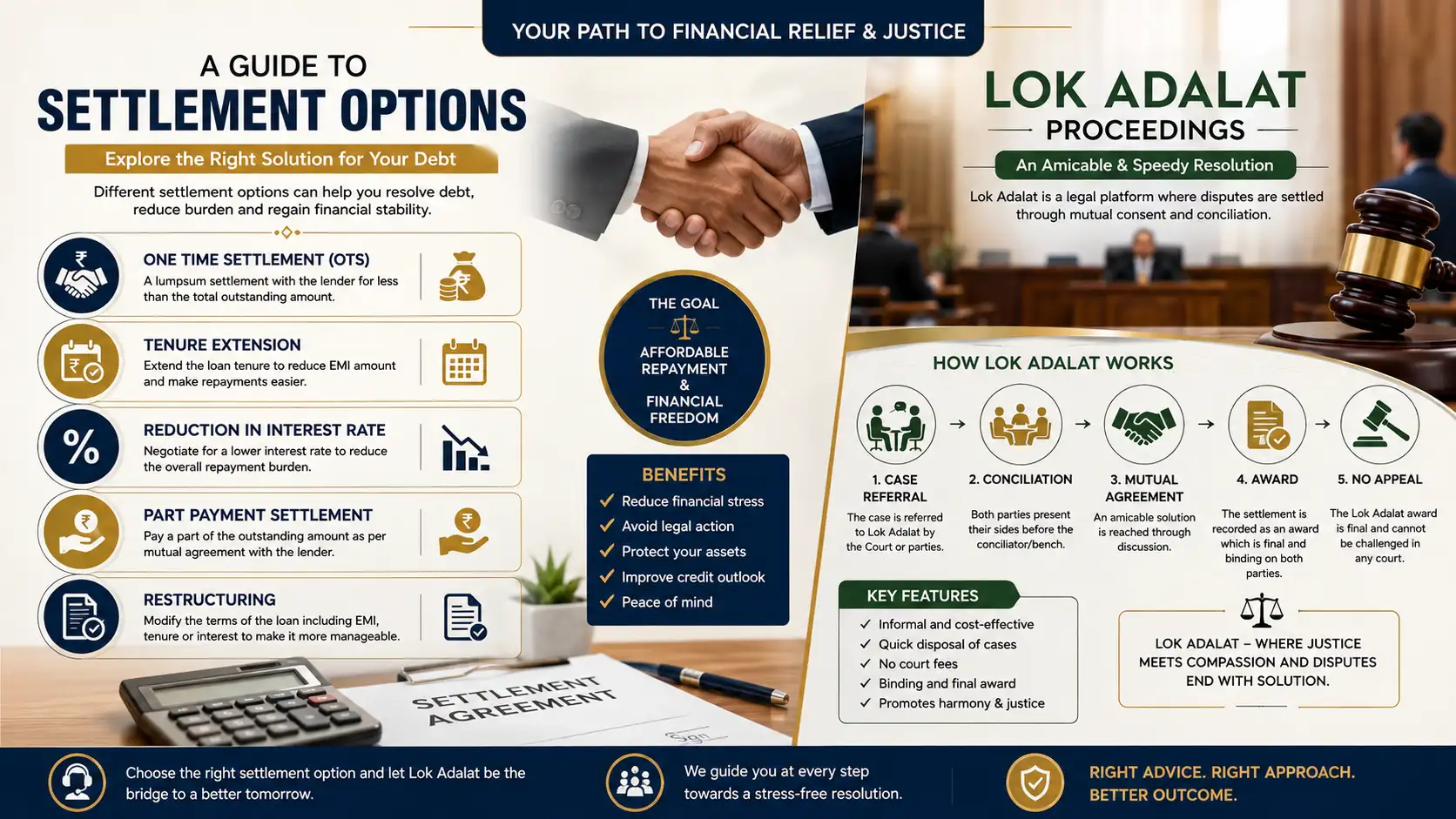
A mortgage default doesn’t have to end in the loss of your property. Depending on your situation, a structured debt settlement — negotiated directly with the bank or NBFC, or through a One-Time Settlement (OTS) — can often resolve the outstanding dues on more manageable terms than a forced auction. This is where experienced guidance makes the difference between a rushed, lender-favourable settlement and one that genuinely protects your interests.
If you’re based in Kolkata and searching for the best loan settlement agency in Kolkata, or specifically for loan settlement lawyers in Kolkata who understand both the banking side and the legal side of SARFAESI, DRT, and civil recovery proceedings, it helps to work with a team that combines legal expertise with banking-industry experience — rather than a generic recovery intermediary.
Upturn United Consultancy is one such team: built by lawyers and ex-bankers, operating fully within RBI guidelines, and handling matters across SARFAESI, DRT, and NCLT for clients across Kolkata and pan-India. Whether you’re facing a demand notice, possession proceedings, or persistent recovery harassment, getting the right legal help for loan and debt settlement early can materially change the outcome.
What are the typical steps involved in a mortgage loan settlement process?
Mortgage Loan Settlement Process: Loan assessment & document verification → lender negotiation/settlement approval → agreed amount payment → settlement/closure letter → release of mortgage/security documents.